
Rockland ModDetect™ Panels
Rockland's ModDetect™ panels are ready-to-use, immunoassay-based alternatives that provide robust detection and localization of oligonucleotide therapeutic drug delivery, thereby facilitating the collection of ADME analytical data for regulatory approval. The universal nature and unique specificity and sensitivity of these reagents eliminates the need for unique probes and accelerates candidate triage for a cost-effective, low-risk solution that can save 9-12 months in drug development. ModDetect™ panels are designed to facilitate the detection of specific chemical modifications independent of the sequence or location of the modification and can be used to evaluate a variety of RNA Tx modalities and nucleic acid structures.
Available Moddetect® Panels
ModDetect® Phosphorothioate Panel
ABIN7675637
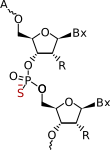
ModDetect® Phosphorothioate Biotinylated Panel
ABIN7675638
ModDetect® 2'-O-Methyl (2'OMe) Panel
ABIN7675641
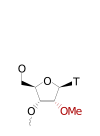
ModDetect® 2-Methoxyethyl (2'MOE) Panel
ABIN7675639
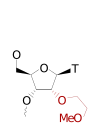
ModDetect® 2-Methoxyethyl (2'MOE) Biotinylated Panel
ABIN7675640
ModDetect™ Phosphorothioate (PS) Panel
The ModDetect™ Phosphorothioate (PS) Panel enables antibody-based detection of PS-modified oligonucleotides commonly used in therapeutic development. PS modifications improve nuclease resistance and pharmacokinetic properties but are difficult to assess using sequence-specific analytical tools. This panel recognizes the PS chemical linkage itself, allowing sequence-independent analysis across diverse oligonucleotide designs. The antibodies are compatible with standard immunoassays, including ELISA, immunofluorescence, and tissue-based applications. These reagents support biodistribution, localization, and quantitative studies during research and preclinical development. Learn more
ModDetect™ Phosphorothioate (PS) Biotinylated Panel
The ModDetect™ Phosphorothioate (PS) Biotinylated Panel is designed for immunoassay workflows requiring biotin-mediated capture or detection. It provides modification-specific recognition of PS linkages while enabling flexible assay configurations. Biotinylation supports use in sandwich ELISAs, plate-based capture assays, and streptavidin-driven formats. This panel enables sequence-independent detection of PS-modified oligonucleotides across multiple therapeutic modalities. It is well suited for quantitative and comparative bioanalytical applications in research and preclinical studies. Learn more
ModDetect™ 2′-O-Methoxyethyl (MOE) Panel
The ModDetect™ 2′-O-Methoxyethyl (MOE) Panel enables antibody-based detection of MOE-modified oligonucleotides used to enhance stability and tolerability. MOE modifications are frequently incorporated into antisense and RNA-based therapeutics but are challenging to evaluate with conventional assays. This panel targets the MOE chemical feature directly, allowing sequence-independent analysis across oligonucleotide designs. The antibodies are compatible with ELISA, immunofluorescence, and tissue-based assays. These reagents support biodistribution, localization, and quantitative assessment in research and preclinical workflows. Learn more
ModDetect™ 2′-O-Methoxyethyl (MOE) Biotinylated Panel
The ModDetect™ 2′-O-Methoxyethyl (MOE) Biotinylated Panel supports immunoassay formats that require biotin-enabled capture or detection. It retains the same modification-specific recognition as the unconjugated MOE panel while expanding assay design flexibility. Biotinylation allows integration into sandwich ELISAs and streptavidin-based platforms. This panel enables sequence-independent detection of MOE-modified oligonucleotides across multiple therapeutic modalities. It is ideal for quantitative and comparative studies in research and preclinical development. Learn more
ModDetect™ 2′-O-Methyl (OMe) Panel
The ModDetect™ 2′-O-Methyl (OMe) Panel enables antibody-based detection of OMe-modified oligonucleotides across a range of nucleic acid modalities. OMe modifications are commonly used to improve stability and reduce immune activation but are not easily analyzed using sequence-dependent methods. This panel detects the OMe chemical modification itself, enabling sequence-independent evaluation. The antibodies are compatible with standard immunoassays, including ELISA, immunofluorescence, and tissue-based assays. These reagents support studies of oligonucleotide distribution, localization, and comparative performance. Learn more
ModDetect™ Method Paper
Methods for Analysis of Oligonucleotide Drugs
Recommended next Filters:
5 results


